
Four Georgia Tech students are joining the 2026 class of the nationally competitive Brooke Owens Fellows.
The fellowship offers students internships, mentorship from aerospace industry executives and former fellows, and access to a strong professional network of alumni across the field. Established to honor aerospace pioneer Brooke Owens, the program aims to develop the next generation of aviation and space exploration innovators.
This year’s Georgia Tech fellows are Materials Science and Engineering student Keerthi Padmanabhan and Aerospace Engineering students Zeina Rmaile, Riva Sharma, and Saragha Surendra.
Keerthi Padmanabhan: From Materials Science to Lunar Resources
Padmanabhan was encouraged to apply for the fellowship by a co-worker at her co-op at NASA. She said the
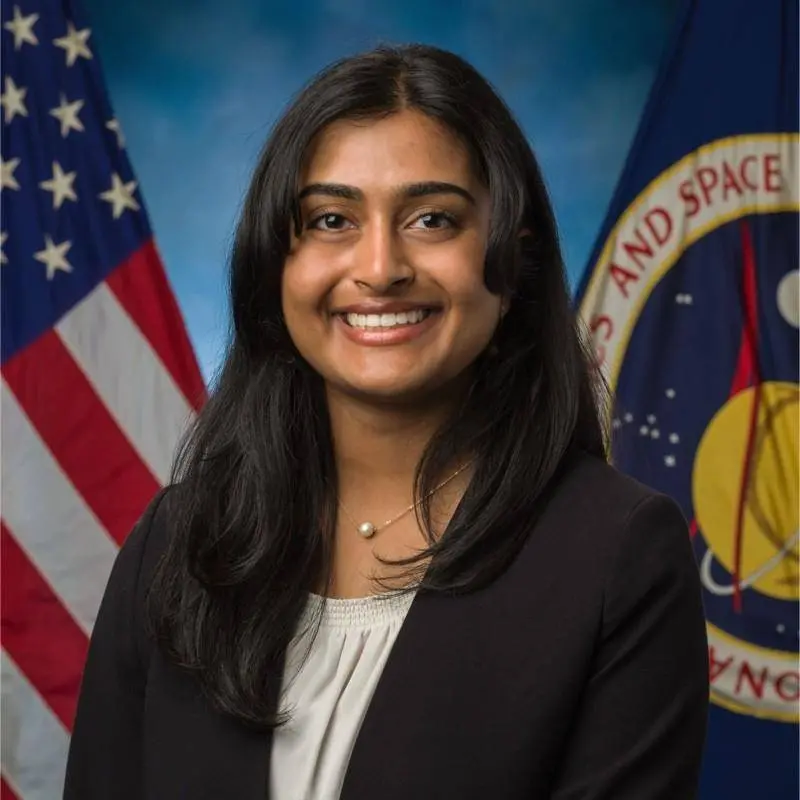
fellowship’s strong focus on mentorship, especially from women in the field, was particularly meaningful to her.
Padmanabhan has always been fascinated by space, and she said she’s drawn to the collaborative nature of the aerospace field.
“Being a part of teams on campus like Engineers Without Borders and the Society of Women Engineers has taught me how to work with people of different backgrounds and skillsets to achieve a shared goal,” she said.
She also credited the tight knit community in the School of Materials Science and Engineering, hands-on coursework, and emphasis on sustainability for shaping her academic experience and reinforcing her passion for the field.
“I am thrilled to have been chosen as one of 28 incredible women who share a passion for inclusive aerospace,” Padmanabhan said. “Being a part of this community not only means carrying on the legacy of Brooke Owens but doing so alongside some amazing women who have already revolutionized this field.”
This summer, Padmanabhan will intern at Blue Origin on the Space Resources team, which focuses on in-situ resource utilization (ISRU). These technologies use lunar materials to produce essential resources like oxygen and solar power for future missions.
“ISRU reduces the need for earthly materials to support space missions,” she said. “That’s important for the future of space exploration.”
Read the full article on the College of Engineering's website.